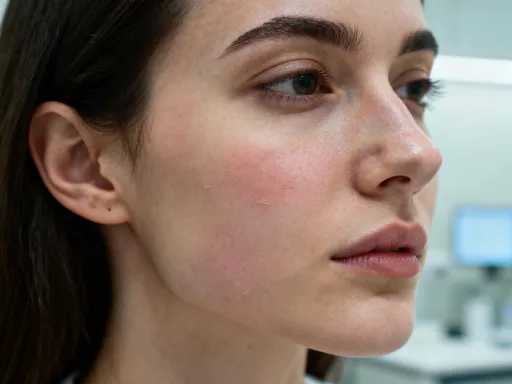
What Your Skin Is Trying to Tell You Before Illness Strikes
You might think your skin is just about breakouts or aging, but it can actually be one of the earliest warning systems for serious health issues. I never realized how much my dull complexion and occasional rashes were trying to tell me—until I started paying closer attention. Many of us treat symptoms with creams, ignoring deeper signals. But what if early disease detection starts with how we care for our skin? The surface of your body is more than a mirror of beauty routines; it’s a living, breathing reflection of what’s happening inside. Changes in texture, color, moisture, or sensitivity may not just be cosmetic—they could be urgent messages from your organs, hormones, or immune system. Recognizing these signs early can make a profound difference in long-term health outcomes.
The Hidden Language of Skin Changes
Skin is the body’s largest organ, and its role goes far beyond appearance. It serves as a protective barrier, regulates temperature, and helps eliminate toxins. But perhaps one of its most underappreciated functions is its ability to reflect internal imbalances. Dermatologists often note that skin conditions can be the first visible sign of systemic health problems. For instance, persistent dryness that doesn’t respond to moisturizers may point to an underactive thyroid. Unexplained rashes could be linked to autoimmune activity, such as lupus or psoriasis, where the body mistakenly attacks its own tissues. Similarly, sudden changes in pigmentation—like darkening in skin folds—can signal insulin resistance or hormonal shifts associated with conditions like polycystic ovary syndrome (PCOS).
Many women in their 30s to 50s begin to notice subtle shifts in their skin that coincide with life transitions—perimenopause, increased stress, or changes in diet and activity levels. These shifts are often dismissed as natural aging, but some are worth a second look. For example, a yellowish tint to the skin, especially in the eyes, might indicate liver dysfunction. Red, flushed cheeks that come and go could be more than just sensitivity—they may be linked to rosacea, which has been associated with gastrointestinal health and chronic inflammation. Even brittle nails or hair loss, commonly attributed to aging or stress, can stem from nutritional deficiencies like low iron or vitamin B12.
The key is not to panic at every blemish, but to cultivate awareness. Just as a car’s dashboard warning light doesn’t always mean a breakdown is imminent, it does suggest the need for inspection. The same principle applies to skin. When changes are persistent, worsening, or accompanied by other symptoms—such as fatigue, joint pain, or digestive issues—they deserve professional evaluation. By treating the skin as a diagnostic tool rather than just a cosmetic concern, individuals can gain valuable insights into their overall health and potentially catch issues before they escalate.
Common Skincare Pitfalls That Mask Real Problems
In today’s beauty-driven culture, many women turn to skincare as a solution for every perceived flaw. While a thoughtful routine can support skin health, overuse of products or aggressive treatments can do more harm than good. Over-cleansing, for instance, strips the skin of its natural oils, weakening the protective barrier and leading to increased sensitivity, redness, and even breakouts. Harsh exfoliants, especially when used daily, can cause micro-tears in the skin, making it more vulnerable to irritation and infection. Layering multiple serums, acids, and oils in pursuit of “glass skin” may seem like self-care, but it can overwhelm the skin and obscure meaningful symptoms.
The “quick fix” mentality is particularly problematic. When a woman notices a new rash or dark spot, her first instinct might be to cover it with concealer or treat it with a brightening serum. While these approaches address appearance, they don’t address root causes. For example, using a high-concentration vitamin C serum on persistent hyperpigmentation might lighten the area temporarily, but if the discoloration is due to an underlying hormonal imbalance, the treatment only masks the issue. Similarly, treating adult acne with strong benzoyl peroxide or retinoids without considering dietary or hormonal factors may lead to dry, irritated skin while the real trigger remains unaddressed.
This focus on surface-level solutions can delay diagnosis. A woman in her 40s who starts developing scaly patches on her elbows might assume it’s just dry skin and reach for a heavy cream. But if those patches are actually early signs of psoriasis, a condition linked to increased cardiovascular risk, treating it only topically misses an opportunity for broader health management. The same applies to chronic under-eye circles—often blamed on lack of sleep but sometimes tied to allergies, anemia, or kidney function. By prioritizing medical evaluation over cosmetic correction, women can move from reactive care to proactive health monitoring.
The goal is not to abandon skincare, but to reframe it. Instead of viewing each product as a solution to a flaw, consider how your routine supports the skin’s natural function. Gentle cleansing, hydration, and sun protection are foundational. Introducing new products gradually allows you to monitor how your skin responds and detect changes more clearly. Simplicity, in this context, is not a compromise—it’s a strategy for better health awareness.
When "Normal" Skin Changes Aren’t Normal
As women age, it’s common to accept certain skin changes as inevitable. Acne in the 20s gives way to fine lines in the 30s, and by the 40s and 50s, many expect increased dryness, dark spots, and slower healing. While some of these shifts are part of natural aging, others may signal underlying health conditions that shouldn’t be ignored. The challenge lies in distinguishing between what’s typical and what’s a red flag.
Take adult acne, for example. Breakouts after age 25, especially around the jawline and chin, are often dismissed as stress-related or hormonal. While stress and hormones do play a role, persistent cystic acne can be a sign of insulin resistance or elevated androgen levels, both of which are linked to metabolic syndrome and PCOS. These conditions increase the risk of type 2 diabetes and cardiovascular disease, making early recognition crucial. Similarly, sudden acne in women who never had skin issues as teens warrants investigation, not just topical treatment.
Chronic under-eye darkening is another commonly accepted trait, often attributed to fatigue or genetics. However, if the darkness is accompanied by puffiness or a bluish tint, it could indicate poor circulation, allergies, or even kidney stress. The skin under the eyes is extremely thin, making it a sensitive indicator of fluid retention and inflammation. Likewise, changes in nail texture—such as ridges, brittleness, or spoon-shaped indentations—can reflect iron deficiency, thyroid disorders, or protein malabsorption. These signs are easy to overlook in daily life, but they are part of the body’s communication system.
Other warning signs include unexplained bruising, slow-healing cuts, or the sudden appearance of skin tags, particularly in areas like the neck or armpits. While skin tags are usually benign, their sudden proliferation can be associated with insulin resistance. Similarly, a persistent rash that doesn’t respond to over-the-counter treatments, especially if it’s symmetrical or appears in unusual patterns, may point to autoimmune conditions. The key is consistency: if a change lasts more than a few weeks, worsens, or spreads, it’s time to consult a healthcare provider. Normalizing every symptom can lead to missed opportunities for early intervention.
How Lifestyle Habits Influence Skin and Health Signals
The connection between lifestyle and skin health is well-established. Diet, sleep, stress levels, and hydration don’t just affect how you look—they influence how your body functions at a cellular level. Chronic inflammation, a common thread in many diseases, often manifests first in the skin. A diet high in refined sugars and processed foods can spike insulin levels, leading to increased oil production and acne. It can also contribute to glycation, a process where sugar molecules attach to collagen and elastin, accelerating skin aging and loss of firmness.
On the other hand, a balanced diet rich in antioxidants, healthy fats, and lean proteins supports both skin integrity and internal health. Omega-3 fatty acids, found in fatty fish and flaxseeds, help maintain the skin’s lipid barrier and reduce inflammation. Vitamin C, abundant in citrus and bell peppers, is essential for collagen synthesis. Iron and B vitamins, crucial for energy and cell repair, are often low in women due to menstruation and dietary patterns, directly affecting skin tone and nail strength. Staying hydrated is equally important—dehydration can make fine lines more noticeable and slow the skin’s natural turnover process.
Sleep is another pillar of skin health. During deep sleep, the body repairs damaged cells and produces growth hormone, which supports skin elasticity. Chronic sleep deprivation disrupts this process, leading to dullness, puffiness, and impaired barrier function. Stress, whether emotional or physical, triggers the release of cortisol, a hormone that increases oil production and can worsen conditions like eczema and psoriasis. It also weakens the immune system, making the skin more susceptible to infections and slower healing.
The good news is that small, consistent changes can have a big impact. Prioritizing whole foods, drinking adequate water, aiming for 7–8 hours of sleep, and practicing stress-reduction techniques like mindfulness or gentle exercise can improve both appearance and internal well-being. These habits don’t promise overnight transformations, but they create a foundation for long-term health. By aligning daily routines with the body’s natural rhythms, women can reduce unnecessary skin distress and enhance their ability to detect meaningful changes.
The Role of Dermatologists vs. Aesthetic Clinics
In recent years, aesthetic clinics offering laser treatments, chemical peels, and injectables have become increasingly popular. While these services can improve appearance, they are not substitutes for medical evaluation. A dermatologist is a physician trained to diagnose and treat skin diseases, while many aesthetic providers focus on cosmetic enhancement. This distinction is critical when health concerns are involved.
For example, a woman who notices a new, irregular mole might seek laser removal at a spa to avoid scarring. But without a proper biopsy, there’s no way to rule out melanoma, a potentially life-threatening form of skin cancer. Similarly, treating facial redness with laser therapy without understanding its cause—whether rosacea, lupus, or another condition—can lead to ineffective or even harmful outcomes. Aesthetic treatments may improve how the skin looks, but they don’t address the underlying cause of the problem.
Medical dermatologists take a comprehensive approach. They consider personal and family medical history, perform full skin exams, and order tests when necessary. They can identify patterns that suggest systemic disease and coordinate care with other specialists. For instance, a dermatologist might refer a patient with severe psoriasis to a rheumatologist, knowing the condition is linked to joint inflammation and increased cardiovascular risk. This collaborative model supports whole-body health, not just skin appearance.
That doesn’t mean aesthetic treatments have no place. For concerns like sun damage, fine lines, or hyperpigmentation, procedures like chemical peels or microneedling can be beneficial when performed under medical supervision. The key is timing and context. If a skin change is new, persistent, or unexplained, the first step should be a medical consultation, not a cosmetic procedure. Viewing dermatologists as partners in preventive care empowers women to make informed decisions and avoid overlooking serious conditions.
Building a Smarter Skincare Routine for Health Awareness
A smarter skincare routine isn’t about using more products—it’s about paying closer attention. The goal is to create space to observe, not just correct. This begins with simplification. A minimalist routine—cleanser, moisturizer, sunscreen—allows the skin to function naturally and makes it easier to notice changes. When you use fewer products, you can identify which ones cause irritation or allergic reactions. It also reduces the risk of overloading the skin, which can lead to clogged pores, sensitivity, and inflammation.
Equally important is consistency in observation. Taking a moment each day to examine your skin in natural light can reveal subtle shifts. Is your complexion more yellow than usual? Are there new spots or changes in texture? Are your nails splitting more easily? Keeping a simple journal—either written or digital—can help track these changes over time. Note when symptoms appear, how long they last, and whether they coincide with other factors like diet, stress, or menstrual cycles. This information can be invaluable during medical appointments.
Another key practice is sun protection. UV exposure not only accelerates aging but also increases the risk of skin cancer. Daily use of broad-spectrum sunscreen, even on cloudy days, protects the skin and preserves its ability to signal health issues clearly. Wearing hats and seeking shade when possible further supports long-term skin health. Avoiding tanning beds is equally important, as they emit concentrated UV radiation linked to DNA damage.
Finally, resist the urge to self-diagnose or self-treat based on internet searches. While it’s good to be informed, only a healthcare professional can provide an accurate assessment. If something feels off, trust your instincts and seek expert advice. A smarter routine, therefore, combines mindfulness, simplicity, and professional guidance to turn daily care into a form of health vigilance.
From Vanity to Vigilance: Shifting the Mindset
For many women, skincare has long been tied to self-worth and appearance. The pressure to look youthful and flawless can make skin changes feel like personal failures. But there’s a more empowering way to view this daily ritual. Instead of seeing skin as a problem to fix, consider it a conversation partner—one that offers real-time feedback about your health. This shift, from vanity to vigilance, transforms skincare from a cosmetic act into an act of self-respect and long-term investment.
Listening to your skin doesn’t require medical training. It requires curiosity, patience, and a willingness to look beyond surface appearances. It means asking not just “How can I hide this?” but “What is this trying to tell me?” This mindset encourages proactive care rather than reactive treatment. It supports early detection, better outcomes, and a deeper connection to your body.
At the same time, it’s important to balance awareness with peace of mind. Not every bump or discoloration is a sign of disease. The goal is not hypervigilance, but informed attention. By combining personal observation with professional guidance, women can navigate the complexities of aging, hormones, and lifestyle with greater confidence.
In the end, your skin is more than a reflection of how you care for your appearance—it’s a reflection of how you care for your health. When we learn to read its signals with compassion and curiosity, we open the door to a more holistic, preventive approach to well-being. The next time you stand in front of the mirror, remember: you’re not just looking at your skin. You’re listening to your body.