How I Finally Made Exercise Stick — A Real Talk Guide to Women’s Health
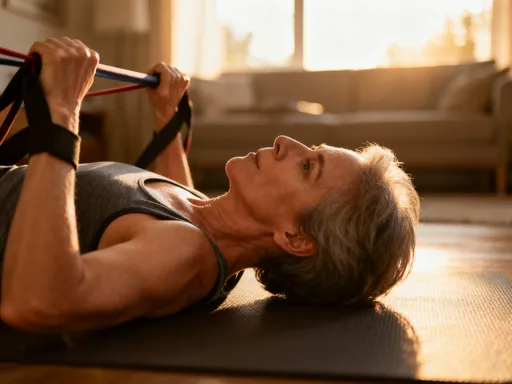
For years, I struggled to stay consistent with exercise — it felt like just another chore. But when I shifted my focus from quick fixes to sustainable habits, everything changed. This isn’t about extreme workouts or rigid routines. It’s about building an exercise plan that works with your body, energy levels, and life. Here’s what actually helped me feel stronger, calmer, and more in tune with myself — no gym shame, no burnout, just real progress. What began as a personal journey turned into a deeper understanding of how women’s health is uniquely shaped by biology, emotional well-being, and daily demands. This guide shares practical, science-backed strategies to help you make movement a natural, rewarding part of your life — not a source of stress or guilt.
The Hidden Struggles Women Face with Exercise
Many women begin fitness routines with enthusiasm, only to lose momentum within weeks. The common narrative blames lack of willpower, but the truth is far more complex. Women face a unique set of challenges that are often overlooked in mainstream fitness advice. Hormonal fluctuations, caregiving responsibilities, sleep disruptions, and societal expectations all play a role in making consistent exercise feel out of reach. These are not personal failures — they are real, biologically rooted factors that must be acknowledged to create lasting change.
One of the most significant yet underdiscussed barriers is the menstrual cycle. During the luteal phase, rising progesterone levels can cause fatigue, bloating, and mood changes, making high-energy workouts feel unbearable. Similarly, in the early follicular phase, energy may be low due to blood loss and hormonal shifts. Ignoring these natural rhythms often leads to frustration and early dropout. For women managing perimenopause or menopause, symptoms like hot flashes, joint pain, and disrupted sleep further complicate physical activity. These are not obstacles to power through — they are signals to adjust and respond with care.
Another hidden struggle is the emotional weight of self-care. Many women feel guilt when prioritizing their own needs, especially if it means stepping away from family or household duties. Exercise can feel like a selfish act when there’s so much else to do. This mindset, deeply ingrained by cultural norms, turns movement into a source of stress rather than relief. Additionally, past experiences with body shaming or judgment in gyms can create lasting discomfort around physical activity. These emotional barriers are just as important as physical ones and must be addressed with compassion.
Postpartum recovery adds another layer of complexity. After childbirth, the body undergoes dramatic changes — weakened pelvic floors, diastasis recti, and fluctuating hormones. Returning to exercise too soon or too intensely can lead to injury and discouragement. Yet, many fitness programs fail to account for this transitional phase, pushing women toward rapid weight loss rather than sustainable healing. Recognizing these challenges is not about making excuses — it’s about creating a realistic framework that honors the full scope of a woman’s life and biology.
Why One-Size-Fits-All Workouts Don’t Work
The fitness industry has long promoted a universal model of exercise — high-intensity training, daily workouts, and rigid schedules — that was largely designed with male physiology in mind. This model often fails women because it doesn’t account for hormonal variability, metabolic shifts, or life-stage differences. When women follow these generic plans, they may experience burnout, injury, or discouragement, not because they lack discipline, but because the plan itself is misaligned with their biology.
Women’s metabolism and energy levels fluctuate significantly throughout the menstrual cycle. In the follicular phase, estrogen rises, boosting energy, mood, and muscle recovery. This is an ideal time for strength training and higher-intensity workouts. At ovulation, energy peaks, making it a natural window for more demanding activities. But in the luteal phase, progesterone dominates, which can slow metabolism, increase fatigue, and reduce motivation. Pushing for intense workouts during this time often leads to poor performance and increased injury risk. A one-size-fits-all approach ignores these shifts and sets women up for frustration.
Lifecycle stages further complicate the picture. Teen girls navigating puberty, women managing careers and families, and those entering perimenopause all have different energy patterns and health priorities. A 40-year-old woman managing sleep deprivation from caregiving has different needs than a teenager building bone density. Similarly, a woman in her 50s may need to focus on joint protection and bone strength, while a postpartum mother needs to rebuild core stability gradually. Generic fitness plans rarely consider these nuances, leading to ineffective or even harmful routines.
Stress response is another key difference. Women tend to have a more sensitive hypothalamic-pituitary-adrenal (HPA) axis, meaning chronic stress — from work, family, or overtraining — can disrupt hormone balance and impair recovery. High-intensity workouts, while beneficial in moderation, can become counterproductive if done too frequently, especially during high-stress periods. The body interprets excessive physical stress the same way it does emotional stress, which can lead to fatigue, weight retention, and mood imbalances. A personalized approach that adjusts intensity based on life circumstances is not just more effective — it’s essential for long-term health.
Building a Cycle-Synced Movement Plan
Instead of fighting your body’s natural rhythms, a cycle-synced movement plan works with them. This approach recognizes that energy, strength, and recovery needs change throughout the month and adjusts exercise accordingly. By aligning physical activity with hormonal phases, women can optimize results, reduce injury risk, and maintain consistency without burnout. The goal is not to follow a rigid schedule, but to develop awareness and flexibility — to move in a way that feels supportive, not punishing.
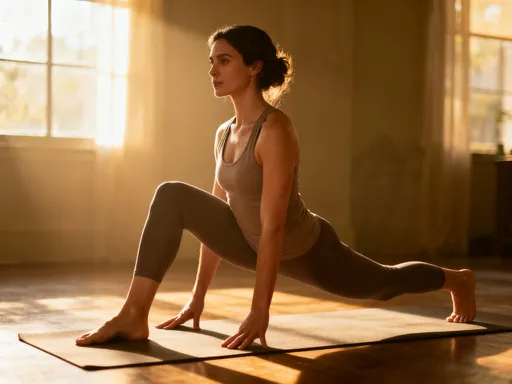
During menstruation, energy is typically lowest. This is not the time for intense workouts. Instead, gentle movement like walking, restorative yoga, or light stretching supports circulation and eases cramping. These activities also promote relaxation and help manage mood swings. Many women report feeling more grounded and less fatigued when they honor this phase with low-impact movement rather than pushing through exhaustion. Even 10 to 15 minutes of mindful walking can make a meaningful difference in how you feel.
The follicular phase, which begins after menstruation ends, brings rising estrogen levels and improved energy. This is an ideal time to introduce strength training, as muscles recover more efficiently and motivation increases. Bodyweight exercises, resistance bands, or light weights can build strength without strain. Activities like brisk walking, cycling, or dance-based workouts also feel more enjoyable during this phase. The key is to build momentum gradually, setting a positive tone for the rest of the cycle.
Ovulation marks the peak of energy and stamina. This short window — usually lasting 24 to 48 hours — is when many women feel strongest and most alert. It’s an excellent time for higher-intensity workouts like interval training, faster runs, or more challenging strength sessions. However, it’s important not to overdo it. Even during peak energy, listening to your body remains crucial. If you feel unusually tired or sore, scaling back is not a failure — it’s smart self-care.
The luteal phase, especially the late luteal phase, often brings fatigue, bloating, and mood changes. High-intensity workouts may feel draining rather than energizing. Instead, focus on mindful movement — yoga, Pilates, or slow walks in nature. These activities support mental clarity, reduce stress, and maintain mobility without overexertion. If cravings or low mood are present, gentle movement can help stabilize blood sugar and improve serotonin levels. As the cycle ends, returning to rest and recovery prepares the body for the next phase.
Strength, Not Size: Rethinking Fitness Goals
For many women, the goal of exercise is not to achieve a certain look, but to feel capable and resilient in daily life. Can you carry your suitcase up the stairs? Play with your children without getting winded? Stay active and independent as you age? These are the real markers of fitness — functional strength that supports a full, engaged life. Shifting the focus from appearance to ability transforms exercise from a chore into a form of self-empowerment.
Strength training is one of the most effective ways to build this kind of resilience. Contrary to outdated myths, women do not “bulk up” from lifting weights. Due to lower testosterone levels, muscle growth is gradual and lean, not bulky. Instead, resistance training increases muscle tone, improves posture, and boosts metabolism. More importantly, it strengthens bones — a critical benefit as women age and face higher risks of osteoporosis. After age 30, bone density begins to decline, and by menopause, the rate accelerates. Weight-bearing exercises like squats, lunges, and resistance training help slow this process and reduce fracture risk.
Joint health is another major benefit. Strong muscles support joints, reducing the risk of pain and injury, especially in the knees, hips, and back. This is particularly important for women who spend long hours sitting or who have experienced pregnancies that strain the core and pelvic floor. Even 20 minutes of strength training twice a week can yield noticeable improvements in balance, stability, and daily function. Over time, these small efforts build a foundation of physical confidence that extends far beyond the gym.
The mental benefits of strength training are equally powerful. Completing a challenging set, mastering a new movement, or simply showing up on a tough day builds self-trust. Women often report feeling more capable, focused, and calm after consistent strength work. This sense of accomplishment is not tied to how they look in a mirror, but to what their body can do. By redefining fitness as strength, endurance, and resilience — rather than size or shape — women can develop a healthier, more sustainable relationship with movement.
Making Movement Accessible — No Gym Required
One of the biggest myths about fitness is that it requires a gym, expensive equipment, or hours of time. In reality, consistent movement is more important than perfection. The most effective routines are those that fit into real life — short, simple, and doable even on the busiest days. By removing the barrier of complexity, women can make exercise a natural part of their day, not a daunting task to schedule.
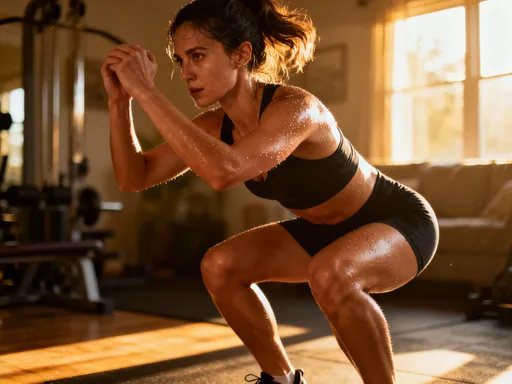
Bodyweight exercises are a powerful tool. Movements like squats, lunges, push-ups (modified if needed), and planks require no equipment and can be done in a small space. A 10-minute routine in the morning or during a break can boost circulation, improve focus, and build strength over time. Pairing these with stretches or mobility drills enhances flexibility and reduces stiffness, especially for women who sit for long periods.
Daily habits also count. Taking the stairs, parking farther away, gardening, or playing actively with children all contribute to overall movement. These activities may seem minor, but they add up. Research shows that accumulating movement throughout the day — known as non-exercise activity thermogenesis (NEAT) — plays a significant role in metabolic health and weight management. The goal is not to replace structured workouts, but to complement them with consistent, low-effort activity.
Walking is one of the most underrated forms of exercise. It’s low-impact, accessible, and deeply beneficial for heart health, mood, and digestion. A 20- to 30-minute walk after meals can help regulate blood sugar, especially important for women managing insulin sensitivity or prediabetes. Walking with a friend or listening to a podcast can also make it a form of social or mental nourishment. The key is consistency — a daily walk, even a short one, builds habits that last.
For those with limited time, habit stacking can help. This technique involves linking a new behavior to an existing one — for example, doing five minutes of stretching after brushing your teeth, or marching in place while waiting for the kettle to boil. These micro-moments of movement reduce sedentary time and make fitness feel less like a chore. Over time, small actions become automatic, creating a lifestyle of natural activity rather than forced exercise.
Mind-Body Connection: Exercise as Self-Care, Not Punishment
The way we think about exercise shapes how we experience it. For many women, physical activity has been framed as a form of punishment — something to “earn” food, counteract indulgence, or fix perceived flaws. This mindset leads to burnout, guilt, and disconnection from the body. A more sustainable and joyful approach is to view movement as self-care — a way to listen, support, and honor your body.
When exercise is rooted in self-care, the focus shifts from how many calories are burned to how you feel during and after. Do you feel energized? Calmer? More centered? Tuning into these signals builds body awareness and helps you make choices that support long-term well-being. Some days, that might mean a vigorous workout; other days, it might mean rest, stretching, or a gentle walk. Both are valid. The goal is not to push through discomfort, but to respond with kindness.
Mental health benefits are one of the most powerful reasons to stay active. Regular movement has been shown to reduce symptoms of anxiety and depression, improve sleep quality, and enhance cognitive function. Physical activity increases endorphins, serotonin, and dopamine — brain chemicals that regulate mood and motivation. For women managing stress, hormonal changes, or life transitions, these benefits are especially valuable. Exercise becomes not just a physical practice, but a form of emotional regulation.
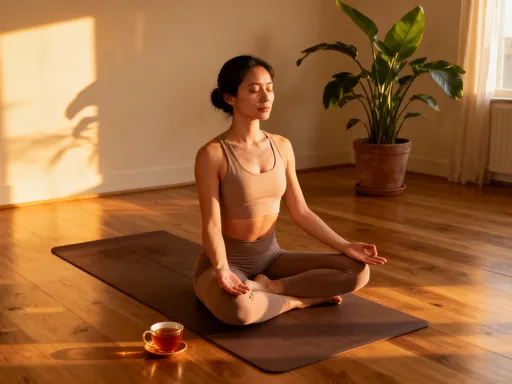
Mindful movement practices like yoga, tai chi, or walking meditation deepen the mind-body connection. These activities encourage presence, breath awareness, and gentle effort — qualities that counteract the constant rush of modern life. Even in a short session, they can create a sense of calm and clarity. Over time, this shift in perspective helps women see their bodies not as problems to fix, but as allies to nurture.
Staying Consistent Without Burning Out
Long-term success in fitness is not about perfection — it’s about consistency, flexibility, and self-compassion. Most women don’t fail because they lack motivation; they fail because their plans are too rigid, too intense, or too disconnected from real life. Sustainable habits are built on small, manageable actions that can be maintained through busy weeks, low-energy days, and unexpected setbacks.
Habit stacking, as mentioned earlier, is a powerful strategy. By attaching exercise to existing routines — like doing calf raises while washing dishes or shoulder rolls during TV commercials — movement becomes integrated into daily life. These micro-habits reduce the mental effort of “finding time” and make consistency easier. Over time, they create a foundation of activity that supports larger goals.
Tracking non-scale victories is another key to staying motivated. Instead of focusing on weight or clothing size, notice improvements in energy, sleep, mood, or daily function. Can you walk up a hill without stopping? Carry groceries more easily? Feel less stiff in the morning? These are meaningful signs of progress that reflect true health. Celebrating them reinforces positive behavior and keeps motivation alive, even when the scale doesn’t move.
Flexibility is essential. Life happens — vacations, illness, family demands — and rigid plans often fall apart under pressure. A sustainable approach allows for adjustments. If you miss a workout, you don’t start over — you simply continue. Missing a day is not failure; it’s part of the process. Responding with self-compassion, rather than criticism, helps maintain momentum and prevents the all-or-nothing mindset that derails so many efforts.
Finally, joy is a powerful motivator. When movement feels good — whether it’s dancing in the kitchen, hiking with a friend, or playing tag with your kids — you’re more likely to stick with it. The best exercise plan is one you enjoy, not one you endure. By choosing activities that bring pleasure, women can build a lifelong relationship with movement that supports not just physical health, but emotional and mental well-being.
True women’s health isn’t about achieving an ideal physique — it’s about feeling strong, balanced, and capable in your body every day. A thoughtful, adaptive exercise plan respects biological rhythms, supports mental well-being, and fits real life. By focusing on consistency, self-awareness, and joy in movement, women can build lasting habits that go beyond fitness — they become a foundation for lifelong vitality. Always consult a healthcare provider before starting new routines, especially with underlying conditions.