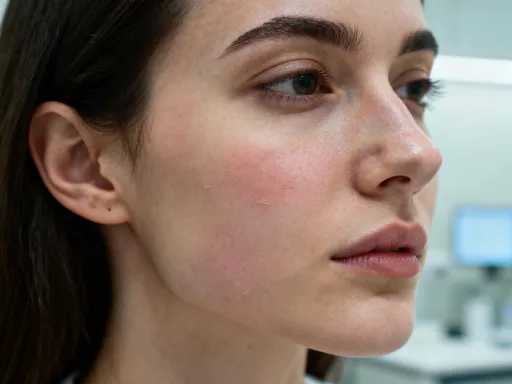
How I Finally Calmed My Skin and Mind—A Beginner’s Real Talk
Ever noticed how stress makes your skin act up? I did. Breakouts, redness, that dull look—my face always showed what I was feeling inside. As someone just starting out in skincare, I thought routines were only about cleansers and serums. But I learned the real game-changer was managing emotions. Turns out, your mind and skin are deeply connected. This is my honest journey from chaos to calm—one that changed not just my complexion, but my daily peace.
The Skin-Stress Spiral: What I Didn’t Know Was Hurting My Face
For years, I blamed my skin for not keeping up with my efforts. No matter how many times I washed my face or how many products I tried, red patches and unexpected breakouts kept appearing—especially during busy weeks at work or after tense family conversations. At first, I dismissed these flare-ups as bad luck or hormonal shifts. But over time, a pattern emerged: every time I felt overwhelmed, anxious, or emotionally drained, my skin reacted within days. It wasn’t just coincidence—it was connection.
What I didn’t understand back then was the biological link between emotional stress and skin health. When the body experiences stress, whether from work pressure, sleepless nights, or emotional strain, it releases a hormone called cortisol. This hormone plays a vital role in helping us respond to challenges, but when it stays elevated over time, it can disrupt several bodily functions—including those of the skin. Elevated cortisol levels increase oil production in the sebaceous glands, which can clog pores and lead to acne. It also triggers inflammation, making existing conditions like redness, rosacea, or sensitivity worse.
The nervous system, particularly the sympathetic branch responsible for the “fight-or-flight” response, communicates directly with skin cells. This means that when your mind perceives danger—even if it’s just an overflowing inbox or a difficult conversation—your skin receives the signal and responds accordingly. Research has shown that chronic stress can impair the skin’s natural barrier, reducing its ability to retain moisture and defend against irritants. So while I was focusing on external fixes, my internal state was quietly undermining every step of my routine.
Recognizing this mind-skin connection was a turning point. It wasn’t that my skincare products were ineffective—they weren’t enough on their own. The real issue wasn’t dirt or genetics alone; it was the emotional load I carried daily. Once I began to see my skin as a mirror of my inner world, I stopped fighting it and started listening. That shift in perspective laid the foundation for a more compassionate and effective approach to self-care.
Why Skincare Routines Alone Weren’t Enough
In the beginning, I believed more products meant better results. My bathroom counter looked like a mini pharmacy: foaming cleansers, exfoliating toners, spot treatments, serums with active ingredients, and heavy moisturizers. I washed my face twice a day, sometimes more when I felt oily or anxious. I used harsh scrubs, thinking they’d “deep clean” my pores. But instead of clearer skin, I got dryness, tightness, and increased sensitivity. My face often felt raw, especially after applying certain products, and the breakouts didn’t stop—they seemed to multiply.
Looking back, I realize that my skincare habits were driven by frustration and urgency, not by understanding. Each breakout triggered a cycle of over-treatment: I’d add another product, scrub harder, or skip moisturizer thinking it would reduce oil. But these actions only worsened the problem. Over-cleansing strips the skin of its natural oils, disrupting the protective barrier. When that barrier is compromised, the skin becomes more vulnerable to bacteria, environmental pollutants, and inflammation—all of which contribute to breakouts and irritation.
What I failed to recognize was that my emotional state was fueling this cycle. Stress made me impatient. It made me want quick fixes. And because I wasn’t addressing the root cause—my internal tension—I kept repeating the same mistakes. Skincare became a form of emotional compensation: if I couldn’t control my schedule or emotions, at least I could control my routine. But control without balance isn’t sustainability; it’s burnout disguised as discipline.
The breakthrough came when I started to view skincare not as a battlefield but as part of a larger wellness practice. I began to ask myself: what if healing my skin required more than topical solutions? What if true care meant paying attention to how I felt, not just how my face looked? This shift in mindset allowed me to step back and reassess. Instead of treating my skin like an enemy to be corrected, I began to treat it like a partner sending signals. And those signals pointed clearly toward emotional well-being as the missing piece.
Small Shifts, Big Results: Simple Emotional Habits That Helped My Skin
Once I accepted that emotional balance was essential to skin health, I knew I had to make changes—but I didn’t want anything overwhelming. As a busy woman managing family, work, and personal responsibilities, I needed practices that were simple, realistic, and easy to maintain. I started with three small habits: mindful breathing, journaling, and a digital detox before bed. None required extra time or special tools, and each gradually made a noticeable difference—not just in how I felt, but in how my skin responded.
Mindful breathing was the first change I introduced. Every morning, before checking my phone or starting my day, I sat quietly for five minutes and focused on my breath. Inhale for four counts, hold for four, exhale for six. At first, my mind raced, jumping from one to-do list to another. But over time, this short practice helped me feel more grounded. I noticed that on days I did it consistently, I felt calmer and reacted less intensely to stressors. Within two weeks, I saw fewer mid-week breakouts and less redness. Science supports this: slow, deep breathing activates the parasympathetic nervous system, which counteracts stress and lowers cortisol levels. When the body is in this relaxed state, skin inflammation decreases, and healing processes improve.
Next, I began journaling for ten minutes each evening. I didn’t write elaborate entries—just a few sentences about how I felt, what triggered stress, and one thing I was grateful for. This practice helped me process emotions instead of burying them. I started recognizing patterns: certain conversations, deadlines, or even lack of breaks during the day left me feeling tense, and my skin often flared up the next morning. By naming these feelings, I reduced their power. Emotions that once felt chaotic became manageable. Over time, my skin appeared more even-toned, and I experienced fewer sudden flare-ups.
Finally, I committed to a digital detox one hour before bedtime. I turned off screens, put my phone in another room, and replaced scrolling with reading or sipping herbal tea. This change improved both my sleep quality and emotional clarity. Without the constant stimulation of notifications and social media, my mind had space to unwind. Within a month, I was falling asleep faster and waking up feeling more rested. My skin reflected this shift: less puffiness, more radiance, and a noticeable reduction in dry patches. These small habits didn’t transform my life overnight, but their cumulative effect was undeniable—both emotionally and dermatologically.
Creating a Calm-First Skincare Routine
With my emotional foundation strengthening, I revisited my skincare routine—not to add more products, but to simplify and align it with my new mindset. I wanted a routine that felt nurturing, not punishing. I cleared away most of the products I wasn’t using consistently and focused on four essentials: a gentle cleanser, a hydrating toner, a lightweight moisturizer, and sunscreen. I chose fragrance-free, non-comedogenic formulas to minimize irritation, especially since my skin was still recovering from previous overuse of actives.
Consistency became my priority over complexity. Instead of chasing the latest trend or jumping between products, I committed to using the same few items every day. This allowed me to observe how my skin responded over time. I applied each product slowly, with clean hands, and took a few deep breaths between steps. What used to be a rushed morning task turned into a quiet ritual—a moment of presence in an otherwise hectic day. This mindfulness didn’t just make the routine more enjoyable; it enhanced its effectiveness. Studies suggest that a relaxed state during self-care can improve blood flow and product absorption, allowing ingredients to work more efficiently.
I also stopped treating my skin like it needed constant correction. I accepted that some days it would feel dry, others slightly oily—and that was okay. Perfection wasn’t the goal; balance was. I avoided over-exfoliating and limited spot treatments to only when absolutely necessary. When I did use them, I applied them gently, without aggression. This shift from correction to care made a significant difference. My skin barrier began to repair itself, moisture levels stabilized, and sensitivity decreased. Over several weeks, my complexion appeared calmer, more resilient, and naturally brighter.
The most surprising change was emotional: I felt more in control. Not because I had flawless skin, but because I had a routine that supported both my physical and mental well-being. Skincare was no longer a source of anxiety—it was a form of daily self-respect. By aligning my habits with calmness and intention, I created a cycle where emotional peace supported skin health, and healthy skin reinforced emotional confidence.
Sleep, Emotions, and Skin Recovery: The Nighttime Connection
Sleep was another area where I saw a powerful connection between mind and skin. There were times when I’d stay up late worrying, replaying conversations or planning the next day, only to wake up with puffy eyes, a dull complexion, and new breakouts. I used to think this was just fatigue, but I later learned that poor sleep directly affects both emotional regulation and skin repair. During deep sleep, the body increases blood flow to the skin, supporting cell turnover and collagen production. At the same time, the brain processes emotions and resets stress hormones. When sleep is disrupted, both processes suffer.
To improve my rest, I established a consistent bedtime—aiming for 10:30 p.m. most nights. I created a wind-down routine: dimming the lights, drinking a cup of chamomile or passionflower tea, and reading a physical book. I stopped using my phone at least an hour before bed, which reduced blue light exposure and mental stimulation. These changes didn’t work perfectly every night, but over time, I fell asleep faster and stayed asleep longer. My mood during the day improved, and I handled stress with more patience.
The impact on my skin was visible within three weeks. Morning puffiness decreased, dark circles softened, and my skin had a more natural glow. Breakouts became less frequent and healed faster. I realized that nighttime wasn’t just about rest—it was a critical window for healing. While I slept, my skin was repairing damage from UV exposure, pollution, and daily stress. With better sleep, this repair process became more efficient. At the same time, my emotional resilience improved. I felt less reactive, more centered, and better equipped to handle daily challenges—further reducing the internal stress that once triggered flare-ups.
This connection between sleep, emotions, and skin health reinforced the idea that true care is holistic. No single product could replace the benefits of quality rest. By honoring my body’s need for recovery, I supported both my mental clarity and my skin’s natural renewal cycle. Sleep wasn’t a luxury—it was a foundational pillar of my well-being.
When to Seek Help: Knowing the Limits of Self-Care
While lifestyle changes made a significant difference, there were moments when I knew I needed more than self-guided efforts. After several months of consistent habits, I still experienced occasional flare-ups that didn’t respond to my routine. At one point, a persistent patch of redness on my cheeks wouldn’t go away, despite my best efforts. I also noticed that during particularly stressful seasons, my anxiety felt harder to manage, even with breathing and journaling. That’s when I realized that self-care, while powerful, isn’t a substitute for professional support.
I scheduled an appointment with a board-certified dermatologist, who evaluated my skin and confirmed it was mild rosacea—something I hadn’t been able to diagnose on my own. She recommended a gentle prescription cream and advised against certain ingredients I had unknowingly been using. Her guidance helped me refine my routine with medical accuracy, speeding up my progress. More importantly, she validated my experience: my skin issues weren’t my fault, and they weren’t a sign of failure.
I also began speaking with a licensed counselor to explore deeper emotional patterns. While my daily habits helped manage surface-level stress, therapy provided tools to address long-standing tendencies toward overthinking and perfectionism. This combination—medical and emotional support—complemented my self-care practices perfectly. It didn’t mean I had failed; it meant I was being thorough. Seeking help wasn’t a sign of weakness—it was an act of responsibility and courage.
For anyone on a similar journey, I encourage you to view professional guidance as an essential part of self-care, not a last resort. Dermatologists, therapists, and healthcare providers offer expertise that personal research can’t replace. When used alongside mindful habits, their insights can accelerate healing and prevent unnecessary frustration. True wellness includes knowing when to ask for help—and doing so without shame.
Building a Sustainable Self-Care Loop: Mind, Mood, and Skin
Looking back, my journey wasn’t about achieving perfect skin—it was about creating a sustainable rhythm between mind, mood, and body. The changes I made weren’t drastic or extreme; they were small, consistent choices that added up over time. I didn’t wake up one day with flawless skin, but I did wake up feeling more at peace. And that peace showed on my face.
What I’ve learned is that self-care isn’t a one-time fix. It’s a daily practice of listening, adjusting, and showing up for yourself. Some days are easier than others. There are still moments of stress, occasional breakouts, and nights when sleep doesn’t come easily. But now I have tools—breathing, journaling, a simplified routine, better sleep habits, and the courage to seek help when needed. These form a self-reinforcing loop: when my mind is calm, my skin responds. When my skin feels better, my confidence grows. And when I feel confident, I’m more likely to continue the habits that support both.
This journey has taught me that true beauty care starts from within. It’s not about hiding flaws or chasing perfection. It’s about honoring your body’s signals, respecting your emotional limits, and making choices that support long-term balance. You don’t need a complicated routine or expensive treatments to begin. You just need to start—wherever you are, with whatever you have.
For anyone feeling stuck in their own skin—literally or emotionally—know that change is possible. It doesn’t require a complete overhaul. It begins with awareness, grows with small steps, and deepens with consistency. Your skin is not just a surface; it’s a reflection of your inner world. And when you care for your mind with the same intention you give your face, you create a foundation for lasting clarity, calm, and confidence. It’s never too late to begin.