How Yoga and TCM Taught Me to Stay Calm in a Crazy World
Feeling constantly overwhelmed? You’re not alone. Modern life pulls us in a million directions, leaving little peace. I struggled too—until I combined yoga meditation with traditional Chinese medicine (TCM) principles. This isn’t about quick fixes, but real, steady psychological balance. No magic, no hype—just simple, natural practices that actually work. Here’s how I found calm, and how you can too.
The Modern Stress Trap
Life today moves at a pace unlike any other in history. Emails arrive before breakfast, social media scrolls never end, and the pressure to be productive, present, and perfect weighs heavily—especially on women managing homes, careers, and family needs. This constant demand disrupts psychological balance, creating a cycle of anxiety, irritability, and mental fatigue. Many women in their 30s to 55s report feeling emotionally stretched, unable to pause without guilt, and physically drained even after a full night’s sleep. The body’s stress response, designed for short-term survival, now runs on overdrive, leading to long-term wear and tear on the nervous system.
Daily routines often contribute without intention. Mornings begin with rushing—preparing meals, packing lunches, answering messages—all before stepping out the door. Screens dominate attention from dawn to dusk: work laptops, children’s tablets, evening news, and late-night social media. This sensory overload leaves little room for stillness. The brain, unable to distinguish between real threats and digital noise, remains in a low-grade state of alert. Over time, this erodes emotional resilience. Sleep suffers, focus fades, and small frustrations feel overwhelming. The result is a growing sense of disconnection—from oneself, from joy, and from inner peace.
What makes this pattern so hard to break is its invisibility. Stress isn’t always loud; it’s the quiet tension in the shoulders, the habit of holding the breath while reading emails, the automatic reach for snacks when feeling unsettled. These behaviors accumulate, creating what TCM calls “Qi stagnation”—a blockage in the body’s vital energy flow. Without intervention, this stagnation can manifest as chronic worry, digestive discomfort, or hormonal imbalances. Recognizing these signs is the first step toward change. The good news? Natural, accessible tools exist to restore balance—without medication or drastic lifestyle overhauls.
Discovering Yoga Meditation as a Beginner
My journey began with skepticism. I had seen images of advanced yogis in perfect poses and assumed meditation was for people with more time, flexibility, or patience than I had. The idea of sitting still for even five minutes felt impossible. But after a particularly exhausting week—marked by sleepless nights and snapping at my children over minor things—I decided to try a short guided session online. I chose a 10-minute beginner video, cleared a corner of the living room, and sat on a folded blanket, feeling awkward and unsure.
At first, focusing on my breath felt strange. My mind raced with to-do lists and worries. But the instructor’s voice was gentle, reminding me to return to the breath each time I wandered. I didn’t need to clear my mind—just notice it. That small shift in expectation made all the difference. Over the next few days, I practiced for just five to ten minutes each morning. I didn’t aim for enlightenment; I simply wanted to feel less frazzled. Gradually, I noticed subtle changes. Mornings felt less rushed. I responded more calmly when plans changed. The mental fog that used to linger until noon began to lift sooner.
What surprised me most was how accessible yoga meditation truly was. You don’t need special equipment, a studio membership, or hours of free time. A quiet corner, comfortable clothes, and a willingness to show up are enough. Free resources—reputable YouTube channels, meditation apps, and community classes—make starting simple. The core components are universal: mindful breathing to anchor attention, gentle movement to release physical tension, and present-moment awareness to break the cycle of rumination. These practices don’t erase stress, but they build a buffer—a space between stimulus and reaction where choice becomes possible.
Understanding Psychological Balance Through TCM
While yoga gave me tools for the mind, traditional Chinese medicine offered a framework for understanding the body’s role in emotional health. In TCM, psychological balance isn’t separate from physical well-being. Instead, emotions are seen as natural expressions of internal energy, or Qi, flowing through organ systems. When Qi moves smoothly, we feel calm, focused, and resilient. When it becomes blocked or imbalanced, emotions like anger, sadness, or anxiety arise—not as flaws, but as signals.
Two organs play a central role in emotional regulation: the Heart and the Liver. In TCM, the Heart houses the Shen, or spirit, and governs mental clarity and emotional stability. When Heart Qi is strong, the mind is at peace. When it’s disturbed—by overwork, poor sleep, or emotional strain—restlessness, insomnia, and anxiety follow. The Liver, meanwhile, ensures the smooth flow of Qi throughout the body. It’s closely tied to how we process frustration and change. When Liver Qi becomes stagnant—often due to stress, irregular routines, or suppressed emotions—it can lead to irritability, mood swings, and even physical tension in the neck and shoulders.
TCM emphasizes balance, not suppression. Emotions are not enemies to be eliminated but natural tides to be navigated. The goal is harmony between Yin and Yang—Yin representing rest, nourishment, and inward focus; Yang representing activity, movement, and outward expression. Modern life often overemphasizes Yang: constant doing, thinking, and producing. This depletes Yin, leading to burnout. By restoring Yin through rest, reflection, and self-care, we create space for emotional regulation. Practices that calm the Heart and soothe the Liver—such as meditation, mindful breathing, and regular routines—help reestablish this balance naturally.
Bridging Yoga and TCM: A Natural Synergy
What I discovered over time was that yoga and TCM are not competing systems, but complementary ones. Both honor the mind-body connection and view health as a dynamic state of flow. Yoga’s physical postures, breathwork, and meditation practices directly support TCM’s goals of regulating Qi and restoring harmony. For example, deep diaphragmatic breathing—central to yoga meditation—calms the nervous system and directly benefits the Heart by quieting the Shen. This aligns with TCM’s approach to treating anxiety and insomnia through Heart-nourishing practices.
Similarly, gentle yoga stretches, especially those that open the sides of the body and release tension in the ribcage, support Liver Qi flow. In TCM, the Liver channel runs along the torso, and physical tightness in this area can reflect emotional stagnation. Poses like Cat-Cow, Seated Side Stretch, and Child’s Pose help release this tension, allowing Qi to move more freely. This is not just symbolic; research shows that stretching and mindful movement reduce muscle tension and lower cortisol levels, supporting both physical and emotional release.
Another powerful overlap is the emphasis on rhythm and prevention. Neither yoga nor TCM waits for crisis to act. Both encourage daily rituals that maintain balance before symptoms arise. Grounding poses like Mountain Pose or Legs-Up-the-Wall support Spleen Qi in TCM, which governs digestion and energy production. When Spleen Qi is strong, we feel centered and capable. When it’s weak—often due to overthinking, irregular eating, or excessive worry—fatigue and mental fog set in. By integrating simple yoga practices into daily life, we support these foundational systems naturally. The key is consistency, not intensity. Even five minutes of intentional breathing can shift the body from stress mode to rest mode.
Simple Daily Practices That Actually Work
Building a sustainable routine doesn’t require hours or perfection. The most effective practices are small, repeatable, and woven into existing habits. I began by anchoring my day with three simple rituals: morning breath awareness, midday movement, and an evening wind-down. Each takes less than ten minutes and aligns with both yoga and TCM principles.
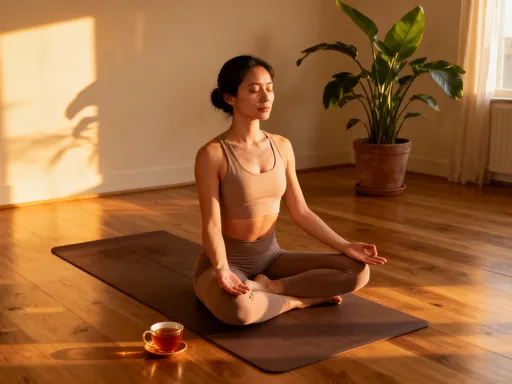
In the morning, before checking my phone, I sit quietly for five minutes. I place one hand on my belly and breathe deeply into it, feeling the rise and fall. This activates the parasympathetic nervous system, signaling safety to the body. In TCM, this supports Lung Qi, which governs energy intake and emotional letting go. I don’t force stillness—if thoughts arise, I acknowledge them and return to the breath. This small act sets a calm tone for the day.
At midday, especially if I feel tension building, I take a short break to stretch. I stand and reach my arms overhead, then gently bend side to side. I might do a few rounds of Cat-Cow on the floor or simply walk mindfully around the house. These movements free Liver Qi and prevent stagnation from prolonged sitting. I avoid rushing through meals or eating while distracted, as TCM teaches that overthinking during meals impairs Spleen function and digestion. Instead, I pause, chew slowly, and express quiet gratitude for my food.
In the evening, I create a wind-down ritual. I dim the lights, turn off screens an hour before bed, and sip a cup of warm water or a mild herbal tea like chamomile. I may do a few gentle stretches or lie in Legs-Up-the-Wall pose for five minutes. This nourishes Yin, cools internal heat, and prepares the Heart for rest. I avoid heavy conversations or problem-solving at night, as TCM views the evening as a time for gathering energy, not expending it. These habits, practiced consistently, have transformed my sleep and reduced nighttime anxiety.
Real Changes: What Improved and Why
The benefits didn’t appear overnight, but over weeks and months, the shifts became undeniable. My sleep deepened. I no longer woke at 3 a.m. with racing thoughts. Mornings felt lighter, not like a battle to get started. I noticed I was less reactive—when my child spilled juice or my plans changed unexpectedly, I paused before responding, rather than snapping. Patience, once in short supply, began to grow.
These changes have roots in both physiology and energy balance. From a scientific perspective, regular meditation reduces activity in the amygdala, the brain’s fear center, while strengthening the prefrontal cortex, responsible for decision-making and emotional regulation. Cortisol, the primary stress hormone, decreases with consistent practice, leading to lower inflammation and improved mood. Neural plasticity—the brain’s ability to rewire itself—means that over time, calm becomes a more natural state.
From a TCM viewpoint, these improvements reflect smoother Qi flow and stronger organ systems. Fewer afternoon energy crashes suggest better Spleen Qi. Reduced irritability points to freer Liver Qi. Deeper sleep indicates a calmer Shen. The body isn’t fighting itself anymore. It’s not that stress disappeared—life still brings challenges—but my capacity to handle it increased. I moved from feeling overwhelmed to feeling equipped. The practices didn’t change my circumstances, but they changed my relationship to them.
Staying on Track Without Burnout
Like many beginners, I faced moments of doubt and inconsistency. Some days, I skipped practice, telling myself I was too busy. Other times, I pushed too hard, trying to meditate for 30 minutes when my mind was restless, only to feel frustrated. I learned that sustainability comes not from perfection, but from self-compassion and flexibility. Missing a day isn’t failure; it’s part of the process. The key is returning without judgment.
I also had to let go of comparison. Social media often shows idealized images of serene women in perfect poses, but real progress is quiet and personal. My practice looks different some days—sometimes it’s seated meditation, other times it’s mindful dishwashing or a slow walk in nature. What matters is the intention to reconnect, not the form it takes. Celebrating small wins—like remembering to breathe before reacting—helps build momentum.
Integrating practices into existing routines, rather than adding them as extra tasks, reduces pressure. I meditate while waiting for the kettle to boil or stretch while watching a child’s practice. This makes it sustainable. And when I struggled—during a period of grief or intense work demands—I sought support. While yoga and TCM are powerful, they complement, not replace, professional care. Talking to a licensed therapist or consulting a qualified TCM practitioner provided valuable guidance. Healing is not a solo journey.
Conclusion
True psychological balance isn’t about eliminating stress—it’s about building resilience. By blending yoga meditation with traditional Chinese wisdom, I learned to move with life’s rhythms, not against them. These practices aren’t quick fixes, but lifelong tools. They require no special skills, only willingness and consistency. Start small, stay present, and let calm grow from within. Your mind, body, and spirit will thank you. The peace you seek isn’t far away—it’s already inside, waiting to be noticed.