From Exhausted to Rested: How a Simple Sleep Device Transformed My Nights
Imagine lying in bed, staring at the ceiling, while your mind races through tomorrow’s to-do list. I used to dread bedtime—until a small, unassuming device changed everything. It didn’t promise miracles, but it delivered something rare: consistent, deep sleep. No more groggy mornings or midday crashes. Just real rest. If you’ve ever felt tired despite sleeping, this story might be yours too. I know what it’s like to feel exhausted even after eight hours in bed, to wake up with your body heavy and your thoughts foggy. For years, I thought that was just how life was—until I discovered that rest isn’t something you endure. It’s something you can reclaim.
The Breaking Point: When Sleep Became the Enemy
I used to lie awake for hours, anxious and frustrated, despite feeling completely drained. My body ached for rest, but my mind wouldn’t shut down. I’d replay conversations from the day, worry about work deadlines, or stress over what I hadn’t done. The harder I tried to fall asleep, the more impossible it felt. I’d check the clock—2:17 a.m.—and feel a wave of panic. Only four hours left? How would I function tomorrow?
It wasn’t just one bad night. This became my routine. I’d drag myself out of bed in the morning, relying on coffee to get through the first few hours. By noon, I’d hit a wall—my focus would slip, my temper would shorten, and even simple decisions, like what to make for dinner, felt overwhelming. I loved my family, but I didn’t have the patience I wanted. I’d snap at small things and then feel guilty afterward. I wasn’t present. I was surviving, not living.
I tried everything. Chamomile tea, lavender oil, journaling before bed, turning off screens an hour before sleep—some helped a little, but nothing stuck. I’d feel better for a night or two, then fall back into the cycle. I started to believe that poor sleep was just part of being a busy woman in midlife. Maybe it was hormonal. Maybe it was stress. Maybe I was just weak. But deep down, I knew something had to change. I wasn’t just tired—I was worn down. And then one evening, after yet another sleepless night, I looked in the mirror and barely recognized myself. Dark circles, dull skin, eyes that looked defeated. That was the moment I decided: I needed help. Not because I was broken, but because I deserved better.
Discovering the Unlikely Helper: A Glimpse at Sleep Tech
I never thought technology would be the answer. In fact, I blamed gadgets for my sleep problems. My phone buzzed with notifications, my tablet glowed in the dark, and I’d scroll through emails or social media long after I should’ve been resting. I associated tech with stimulation, not calm. So when a friend mentioned she was using a small wearable device to help her sleep, I was skeptical. “Another gadget?” I thought. “How is that going to help me relax?”
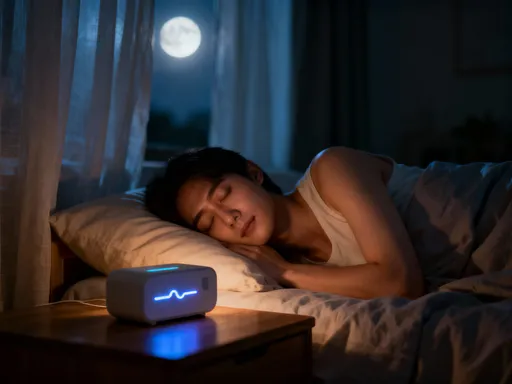
But she described it differently. It wasn’t about tracking sleep or counting REM cycles. It was about guiding the body into a state of calm. The device used gentle sound pulses and soft vibrations to mimic the rhythm of slow, deep breathing—the kind you experience when you’re truly relaxed. It wasn’t a medical machine or a prescription. It was a wellness tool, designed to support your body’s natural ability to rest.
Curious—and honestly, out of options—I decided to try it. I chose a model that could be worn on the wrist or placed under the pillow, so it wouldn’t feel intrusive. The first night, I turned it on five minutes before bed. I lay there, expecting nothing. But within minutes, I noticed my breathing slowing down. The soft pulses pulsed in sync with my breath, almost like a lullaby for my nervous system. My shoulders dropped. My jaw unclenched. And for the first time in years, I didn’t fight sleep. I didn’t count sheep or replay my worries. I just… let go. I fell asleep faster than I had in a decade.
The next morning, I woke up without my alarm. Not because I was startled, but because my body felt ready. I didn’t need to hit snooze three times. I didn’t feel groggy. I felt—rested. It wasn’t a miracle, but it was close. And that’s when I realized: maybe rest wasn’t something I had to earn. Maybe it was something I could invite in.
How It Works: Simplicity Behind the Science
I’ll admit, I wasn’t sure how this little device could make such a difference. Was it placebo? Was I just excited about something new? But as I looked into how it worked, I started to understand the quiet science behind it. It wasn’t magic. It was biology.
The device uses a principle called biofeedback—helping your body recognize its own rhythms and gently guide it toward a calmer state. When you’re stressed or anxious, your nervous system stays in “fight or flight” mode. Your heart rate speeds up, your breathing becomes shallow, and your muscles tense. That’s great if you’re running from danger, but not helpful when you’re trying to fall asleep. This device helps shift your body from alertness to relaxation by syncing with your natural breathing and heart rate.
Here’s how it works: when you lie down, the device detects your current rhythm—your breathing pattern, your pulse. Then, it begins to emit soft pulses or tones that gradually slow down, encouraging your body to follow. It’s like a metronome for your nervous system. You don’t have to do anything. You just have to be still and let it guide you. Over time, your body learns to associate those rhythms with safety and rest. It’s not forcing sleep. It’s inviting it.
And the best part? It’s completely non-invasive. No pills, no side effects, no dependency. You don’t need to charge it for hours or sync it with an app if you don’t want to. Some models do offer sleep tracking, but I didn’t care about the data. I cared about how I felt. And I felt calmer, deeper, more at ease. It was like having a quiet coach beside me, whispering, “It’s okay. You can let go now.”
Real Changes in Daily Life: Beyond Just Sleep
Better sleep didn’t just fix my nights—it changed my days. I started waking up feeling refreshed, not just awake. I wasn’t just going through the motions. I was present. I noticed small things I’d missed before—the smell of fresh coffee, the way sunlight came through the kitchen window in the morning, the sound of my kids laughing as they got ready for school.
My focus improved. I could concentrate on tasks without getting distracted every few minutes. I stopped forgetting where I put my keys or why I walked into a room. I had more energy to cook meals, help with homework, or just sit and talk with my partner after dinner. I wasn’t rushing through life anymore. I was living in it.
My mood shifted, too. I had more patience. I didn’t snap at my kids when they spilled milk or left their shoes in the hallway. I could take a deep breath and respond instead of react. I felt kinder—to them, and to myself. I started making time for things I enjoyed—reading, walking, even trying a new recipe without feeling like I was stealing time from something more important.
Even my workouts became more effective. I had the energy to move my body, and I recovered faster. I wasn’t pushing through exhaustion. I was moving from a place of strength. And the ripple effect surprised me: when you’re well-rested, everything gets a little easier. Decisions feel clearer. Emotions feel more balanced. Life feels more manageable. It wasn’t that my problems disappeared. It was that I had the capacity to handle them.
Making It Part of a Routine: Simple Integration, Lasting Results
I didn’t overhaul my life to make this work. I didn’t start meditating for an hour or giving up caffeine completely. I just added one small step: turning on the device five minutes before bed. That’s it. But I paired it with a few simple habits to make it even more effective.
I started dimming the lights in the house around 8 p.m. I put my phone in another room—no more late-night scrolling. I’d make a cup of herbal tea, sit quietly for a few minutes, and then head to bed. The device became part of that ritual. The moment I turned it on, my brain started to shift. It was like a signal: the day is over. It’s time to rest.
Consistency mattered more than perfection. Some nights, I still felt restless. Some nights, I forgot to turn it on. But because I had this tool, I could recover faster. I didn’t spiral into anxiety about not sleeping. I’d turn it on, breathe with the rhythm, and trust that rest would come. It wasn’t about chasing perfect sleep. It was about creating the conditions for rest to happen.
And over time, something beautiful happened: I started to look forward to bedtime. It wasn’t a battle. It wasn’t a source of stress. It was a gift. A quiet, peaceful space where I could reconnect with myself. The device didn’t replace good habits—it supported them. It made it easier to stick with the things that helped, like winding down early or staying off screens. It wasn’t a crutch. It was a companion.
What I Wish I’d Known Sooner
I spent years believing that poor sleep was just part of adulthood. That it was something I had to power through. That rest was a luxury for people with fewer responsibilities. I thought if I just tried harder, pushed longer, sacrificed more, I’d eventually earn the right to feel rested. But that’s not how it works.
Rest isn’t a reward. It’s a foundation. And when that foundation is shaky, everything else wobbles. I wish I’d known sooner that asking for help isn’t weakness. That using a tool to support your well-being isn’t cheating. That taking care of yourself isn’t selfish—it’s necessary.
This device didn’t make me dependent. It helped me relearn how to rest naturally. It taught my body that it was safe to slow down. It reminded me that I didn’t have to be “on” all the time. And that was a powerful lesson. I now see sleep aids not as a fix, but as a bridge—something that helps you cross from exhaustion to balance.
If you’re tired of being tired, it might be time to try something different. Not a drastic change. Not another extreme diet or intense workout plan. Just something gentle. Something simple. Something that meets you where you are. Because you don’t have to keep living like this. You don’t have to accept fatigue as normal. You deserve to feel rested. You deserve to wake up feeling like yourself again.
A New Normal: Rest as a Daily Gift
Today, bedtime is something I look forward to. I no longer fear the silence. I don’t dread the thoughts that might come. I know that I have a tool that can help me find my way back to calm. The device is still part of my routine, but its real gift was teaching me that rest is possible—and that I am worthy of it.
Technology, when used with care, can enhance life in quiet but profound ways. This wasn’t about chasing perfection. It wasn’t about optimizing every minute. It was about giving myself the gift of peace, one night at a time. And that has made all the difference.
I still have busy days. I still have responsibilities. Life hasn’t gotten easier—but I’ve gotten stronger. Not because I’m doing more, but because I’m resting better. And in that rest, I’ve found more joy, more clarity, more connection. I’m not just surviving anymore. I’m thriving. And if that’s possible for me, it’s possible for you too. You don’t have to stay exhausted. You can find your way back to rest. One breath. One night. One small step at a time.