Glow Up from the Inside: How My Eating Habits Transformed My Skin
You’ve probably noticed how your skin reacts when you're stressed or not sleeping well—but what if I told you your diet plays an even bigger role? I used to battle breakouts and dullness no matter how many fancy serums I tried. Then I shifted focus to what was on my plate. The change wasn’t overnight, but within weeks, my skin started looking clearer, calmer, and more radiant. Turns out, real skin health begins in the kitchen. This isn’t about chasing perfection or following extreme trends. It’s about understanding how food quietly shapes our body’s largest organ and learning to support it with consistent, thoughtful choices. What you eat doesn’t just fuel your energy—it fuels your glow.
The Skin-Diet Connection: What Most People Get Wrong
For decades, the beauty industry has promoted the idea that clear, healthy skin comes from what you put on your face. Serums, toners, and high-end moisturizers dominate the shelves, promising transformation with every drop. While topical care has its place, mounting scientific evidence shows that true skin wellness starts far beneath the surface—in the digestive tract, the bloodstream, and the body’s inflammatory response. The connection between diet and skin health is not speculative; it’s well-documented. Studies published in journals like The American Journal of Clinical Nutrition have found strong links between dietary patterns and conditions such as acne, rosacea, and premature aging.
One of the most common misconceptions is that oily skin must mean you need to strip away oil or avoid fats altogether. In reality, healthy fats are essential for maintaining the skin’s lipid barrier, which protects against moisture loss and environmental irritants. Another myth is that only sugar causes breakouts. While refined sugar can contribute to inflammation and insulin spikes—both of which may worsen acne—it’s not the sole culprit. The bigger picture involves a complex network of hormones, gut microbiota, and immune responses, all influenced by what we eat. For example, diets high in processed foods and low in fiber can disrupt the gut-skin axis, leading to increased permeability of the intestinal lining and systemic inflammation—conditions that often manifest as redness, puffiness, or persistent acne.
Additionally, many people overlook the role of hydration and micronutrients. Dehydration can make fine lines more visible and skin appear dull, while deficiencies in vitamins A, C, E, and zinc can impair skin repair and collagen production. Instead of focusing on isolated ingredients or quick fixes, the key is consistency and nutrient density. Eating a variety of colorful vegetables, quality proteins, and whole grains provides the building blocks your skin needs to regenerate and protect itself. It’s not about eliminating entire food groups overnight but about gradually shifting toward patterns that reduce internal stress and support long-term radiance.
My Wake-Up Call: When Skincare Routines Stopped Working
Like many women in their thirties and forties, I invested heavily in skincare. My bathroom cabinet overflowed with products labeled “anti-aging,” “brightening,” and “clarifying.” I followed 10-step routines, used jade rollers, and even tried at-home LED masks. For a short time, some of these delivered results. My skin looked smoother in the morning or felt tighter after a serum application. But the improvements never lasted. By midday, my face would feel tight and blotchy. Breakouts returned, often in the same stubborn spots along my jawline. No matter how much I spent or how diligently I applied products, my skin remained reactive and uneven.
The turning point came during a weekend visit with an old friend who looked noticeably different—not because of makeup or filters, but because her skin had a natural, even glow. When I asked her secret, she didn’t mention a new serum or dermatologist visit. Instead, she talked about food. She had started paying attention to how certain meals made her feel—not just physically, but visibly. She cut back on dairy, added more leafy greens, and prioritized hydration. At first, I was skeptical. Could something as simple as eating differently really change your skin? But her confidence and clarity were undeniable.
That conversation planted a seed. I began reading more about the gut-skin connection and discovered research showing that up to 70% of the immune system resides in the gut. When digestion is imbalanced—whether due to low fiber intake, excessive sugar, or lack of beneficial bacteria—it can trigger inflammation that travels through the bloodstream and surfaces on the skin. I realized I had been treating my face like a separate entity, when in fact, it was a mirror reflecting what was happening inside. I didn’t expect a miracle, but I decided to experiment. Rather than viewing food as just fuel or comfort, I began to see it as a form of daily support for my body’s resilience. This wasn’t about punishment or restriction—it was about alignment. And slowly, my skin began to respond.
The Core Principles of a Skin-Healthy Diet (No Extremes Needed)
One of the biggest mistakes people make when trying to improve their skin through diet is going to extremes. Cutting out entire food groups, following restrictive cleanses, or chasing the latest “superfood” trend often leads to burnout, nutrient gaps, and even greater skin instability. The truth is, sustainable skin health doesn’t require perfection. It requires balance, variety, and consistency. The most effective approach is one that supports overall well-being, not just a temporary glow.
At the heart of a skin-healthy diet is the principle of anti-inflammatory eating. Chronic, low-grade inflammation is a known contributor to many skin concerns, including acne, eczema, and premature aging. Foods that promote inflammation—such as refined carbohydrates, fried foods, and sugary beverages—can increase oxidative stress in the body, damaging collagen and slowing cellular repair. On the other hand, whole, minimally processed foods rich in antioxidants, healthy fats, and fiber help calm the immune system and support skin regeneration.
Key nutrients play specific roles in skin function. Omega-3 fatty acids, found in fatty fish, flaxseeds, and walnuts, help maintain skin elasticity and reduce redness. Antioxidants like vitamin C (in citrus, bell peppers, and broccoli) and vitamin E (in nuts and seeds) protect against free radical damage caused by UV exposure and pollution. Zinc, present in pumpkin seeds, lentils, and lean meats, supports wound healing and regulates oil production. Rather than relying on supplements, the goal is to incorporate these nutrients through a diverse, colorful diet.
Hydration is equally critical. Water helps flush toxins, transport nutrients, and keep skin plump and supple. While herbal teas and water-rich foods like cucumber and watermelon contribute, plain water remains the gold standard. Aiming for six to eight glasses daily supports both internal and external hydration. Importantly, this approach isn’t about rigid rules or counting every calorie. It’s about building habits that feel nourishing and sustainable—eating slowly, enjoying meals, and listening to your body’s signals. Over time, these small choices add up to visible, lasting change.
What I Eat in a Day for Better Skin (Real Meals, No Gimmicks)
When I first started focusing on food for skin health, I worried it would mean giving up flavor, satisfaction, or convenience. But the opposite turned out to be true. Eating for my skin didn’t require expensive ingredients or complicated recipes—it simply meant making more intentional choices throughout the day. My meals are simple, balanced, and designed to keep me full and energized while delivering key nutrients to my skin.
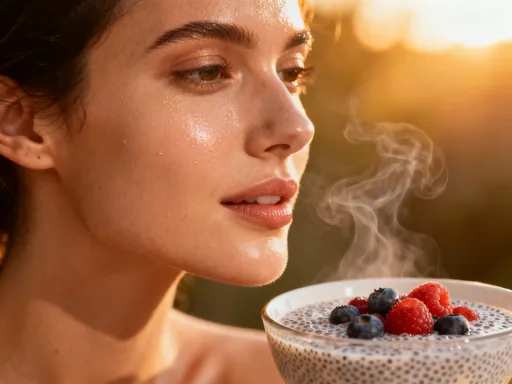
Breakfast usually starts with chia pudding made from unsweetened almond milk, a tablespoon of chia seeds, and a handful of mixed berries. I top it with a few slices of banana and a sprinkle of ground flaxseed. Chia and flax are rich in omega-3s, which help reduce inflammation, while berries provide anthocyanins—powerful antioxidants that protect skin cells from damage. This meal keeps me full for hours and prevents the mid-morning sugar cravings that used to send me to the office vending machine.
For lunch, I often prepare a large salad with mixed greens, cooked lentils, cherry tomatoes, cucumber, shredded carrots, and half an avocado. I drizzle it with olive oil and lemon juice. Lentils are an excellent source of plant-based protein and zinc, both of which support skin repair. Avocado delivers monounsaturated fats that strengthen the skin barrier, while olive oil contains polyphenols that combat oxidative stress. This meal is satisfying, colorful, and easy to pack for work or a weekend outing.
Snacks are strategic. Instead of reaching for chips or cookies, I keep a small container of raw walnuts and a plain Greek yogurt on hand. Walnuts are one of the few plant sources of omega-3s, and yogurt contains probiotics that support gut health—a direct factor in skin clarity. If I’m craving something sweet, I’ll dip apple slices in a teaspoon of almond butter. These choices stabilize my blood sugar and prevent the insulin spikes that can trigger breakouts.
Dinner tends to be warm and comforting. Grilled salmon with roasted sweet potatoes and steamed broccoli is a regular favorite. Salmon is packed with EPA and DHA, two types of omega-3s that have been shown to reduce acne severity and improve skin hydration. Sweet potatoes provide beta-carotene, which the body converts to vitamin A—an essential nutrient for cell turnover. Broccoli offers sulforaphane, a compound studied for its ability to protect against UV damage and support detoxification. I season everything simply with herbs and garlic, avoiding heavy sauces or excessive salt, which can cause water retention and puffiness.
This isn’t a rigid meal plan—it’s a template. Some days I eat soup, other days I enjoy a grain bowl with quinoa and roasted vegetables. The consistency lies in the patterns: prioritizing whole foods, including a source of healthy fat and protein at every meal, and minimizing processed ingredients. The result? My skin looks more even, feels calmer, and recovers faster from minor irritations.
Foods I Quietly Cut Back On (And Why It Mattered)
Improving my diet wasn’t just about adding good things—it was also about reducing the ones that weren’t serving me. I didn’t eliminate any food group completely, but I became more mindful of how certain items affected my skin. The most noticeable changes came when I cut back on dairy, processed carbohydrates, and added sugar.
Dairy, especially skim milk, has been associated with increased acne in multiple studies. While the exact mechanism isn’t fully understood, researchers believe that the hormones in milk—such as insulin-like growth factor 1 (IGF-1)—may stimulate oil production and clog pores. I noticed that on days when I had a latte with milk or ate a large serving of cheese, my skin tended to flare up within a day or two. Switching to oat or almond milk made a difference. I didn’t give up dairy entirely—I still enjoy a small amount of yogurt or hard cheese—but I no longer consume it daily.
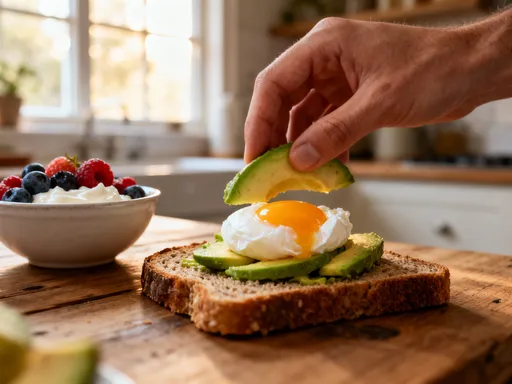
Processed carbs, like white bread, pastries, and sugary cereals, were another area of adjustment. These foods have a high glycemic index, meaning they cause rapid spikes in blood sugar and insulin. High insulin levels can increase androgen activity, which in turn boosts sebum production and inflammation—both of which contribute to acne. I used to eat a bagel with jam for breakfast almost every morning. Now, I opt for whole grain toast with avocado or a vegetable omelet. The energy lasts longer, and my skin stays clearer.
Sugar, particularly in the form of iced lattes, soda, or late-night desserts, was the hardest habit to change. But once I reduced my intake, the impact on my skin became obvious. Within three weeks of cutting out my daily iced vanilla latte, my breakouts decreased significantly. I also stopped eating sugary snacks after dinner, which not only helped my skin but improved my sleep. I replaced these with herbal tea or a small piece of dark chocolate (70% cocoa or higher), which satisfies my sweet tooth without derailing my progress.
These changes weren’t about deprivation. They were about observation and adjustment. I learned to listen to my body and recognize patterns. Over time, my cravings shifted. I began to crave nutrient-dense foods more naturally, and my skin responded with greater resilience and radiance.
Beyond Food: Sleep, Stress, and the Bigger Picture
While diet plays a foundational role, it’s only one piece of the puzzle. Skin health is deeply interconnected with other lifestyle factors, particularly sleep and stress. No amount of healthy eating can fully compensate for chronic sleep deprivation or high cortisol levels. When I first started my food journey, I didn’t realize how much my late nights and constant stress were undermining my efforts.
Sleep is when the body repairs itself. During deep sleep, growth hormone is released, which supports collagen production and skin renewal. Poor sleep, on the other hand, increases cortisol—the stress hormone—which can trigger inflammation and break down skin proteins. I used to stay up late answering emails or scrolling through my phone, then wonder why my skin looked puffy and tired in the morning. Once I committed to a consistent bedtime and created a calming nighttime routine—drinking chamomile tea, turning off screens an hour before bed, and reading a book—I noticed my complexion improved. Dark circles faded, and my skin looked more rested.
Stress management is equally important. Chronic stress doesn’t just affect mood—it shows up on the skin. It can worsen conditions like rosacea, eczema, and acne. I began incorporating small, manageable habits to reduce stress: taking short walks during lunch, practicing deep breathing, and eating meals without distractions. Mindful eating, in particular, made a difference. Instead of rushing through lunch at my desk, I started sitting down, chewing slowly, and savoring my food. This not only improved digestion but also reduced stress-related overeating.
Physical activity also supports skin health. Regular movement improves circulation, delivering oxygen and nutrients to skin cells. Even a 20-minute walk boosts lymphatic flow, helping the body eliminate toxins. I don’t follow an intense workout regimen, but I aim to move my body daily—whether it’s stretching, gardening, or dancing with my kids. These small actions contribute to overall balance, which my skin reflects.
Why This Isn’t a “Fix”—But a Lifelong Shift
Looking back, I realize that my journey wasn’t about finding a quick solution to bad skin. It was about developing a deeper relationship with my body—one built on care, curiosity, and consistency. There is no single food or diet that will magically erase every imperfection. Skin, like health, is not a destination but a continuous process. The changes I’ve seen didn’t happen because I followed a strict protocol, but because I made small, sustainable choices that added up over time.
Patience was essential. In the beginning, I expected fast results. When my skin didn’t clear up in a week, I felt discouraged. But skin cells take about 28 days to renew, and internal shifts take even longer. It was only after two to three months that I began to see real transformation. My complexion became more even, my breakouts less frequent, and my skin felt stronger, as if it could handle environmental stressors better.
Self-compassion played a big role, too. There were days I ate cake at a birthday party or skipped my evening walk. Instead of labeling these as failures, I learned to view them as part of a balanced life. Perfection isn’t the goal—progress is. What matters most is the overall pattern, not any single meal or day.
For anyone considering a similar shift, my advice is to start small. Pick one change—drink more water, add a serving of vegetables, or cut back on sugary drinks—and build from there. Pay attention to how your skin responds. Keep a simple journal if it helps. And if you have persistent skin concerns, consult a healthcare provider or registered dietitian. This isn’t about replacing medical treatment, but about complementing it with lifestyle support.
In the end, the most beautiful skin isn’t flawless—it’s healthy, resilient, and reflective of a life well-cared for. When you nourish your body from the inside, the glow shows on the outside. It’s not about chasing youth or perfection. It’s about honoring your body with choices that say, I matter. And that kind of radiance lasts far longer than any serum ever could.